
- Content Warning: This post talks about my visit to Flossenbürg Concentration Camp. I describe life in the camp and include some photographs.
My Exposure to the Holocaust
When I was 12 , I read through most of my middle-school library’s lot of books on the Holocaust. I don’t recall the first book I read, but I remember feeling gripped by each memoir and novel. With every read, I felt more and more connected to the history and people I was reading about, something I had not experienced with other world events before. Now, I recognize that feeling of connection came from how much of an empath I was/am. As I read, I pictured myself standing with each survivor, both a terrifying and captivating feeling for a 12 year old. I went on to go to museums, book signings, etc, just wanting to understand a little more. This early exposure to the humanity of the Holocaust is one reason why I’ve always wanted to visit a concentration camp.


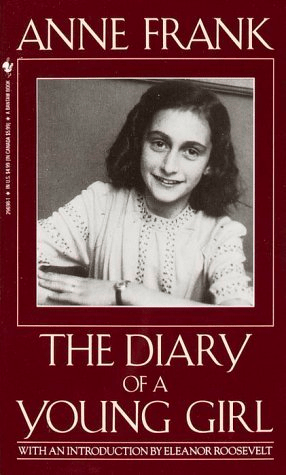
Although I probably read about others, the camps that I can quickly recall are Auschwitz, and Bergen Belsen. With the unfathomable amount of horror these bigger camps saw, it is easy to forget that the SS operated over 25 concentration camps in addition to 1,000+ satellite camps. In each place, there were real people with real stories who suffered immensely, who need to be remembered.
Flossenbürg
Near my workstay in Germany was one camp I had not heard of before, Flossenbürg.

As I stood outside the gates of the Flossenbürg Camp, I imagined what it would have looked like in the 1940s. The informational sign tells me that painted on the gate was “Arbeit macht frei” or “Works sets you free”. It’s a cruel deception to new prisoners and a sadistic joke to those being driven in and out of the camp each day to work in the Quarries.
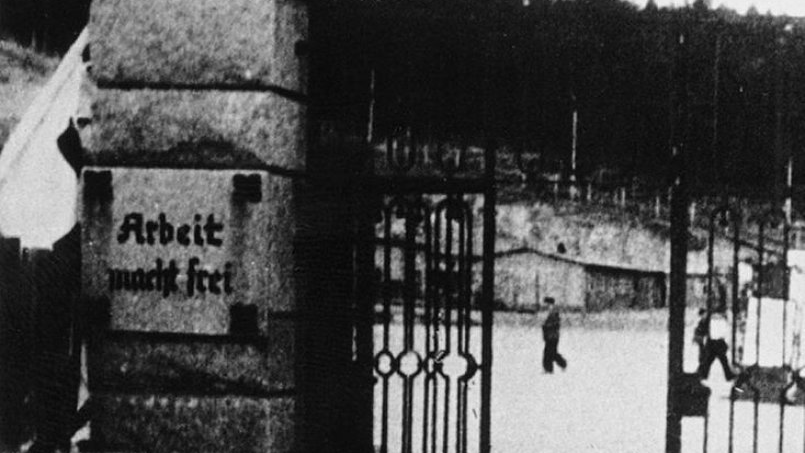
For those taken to the quarries, there was no protective gear or safety equipment. In the winter, they had no warm clothes. Accidents happened every day. People died of exhaustion everyday. If they thought a prisoner was not working hard enough, the SS would punish them by forcing them to carry a large stone back and forth for the entire day. Many did not survive the punishment because of their own exhaustion and malnourishment

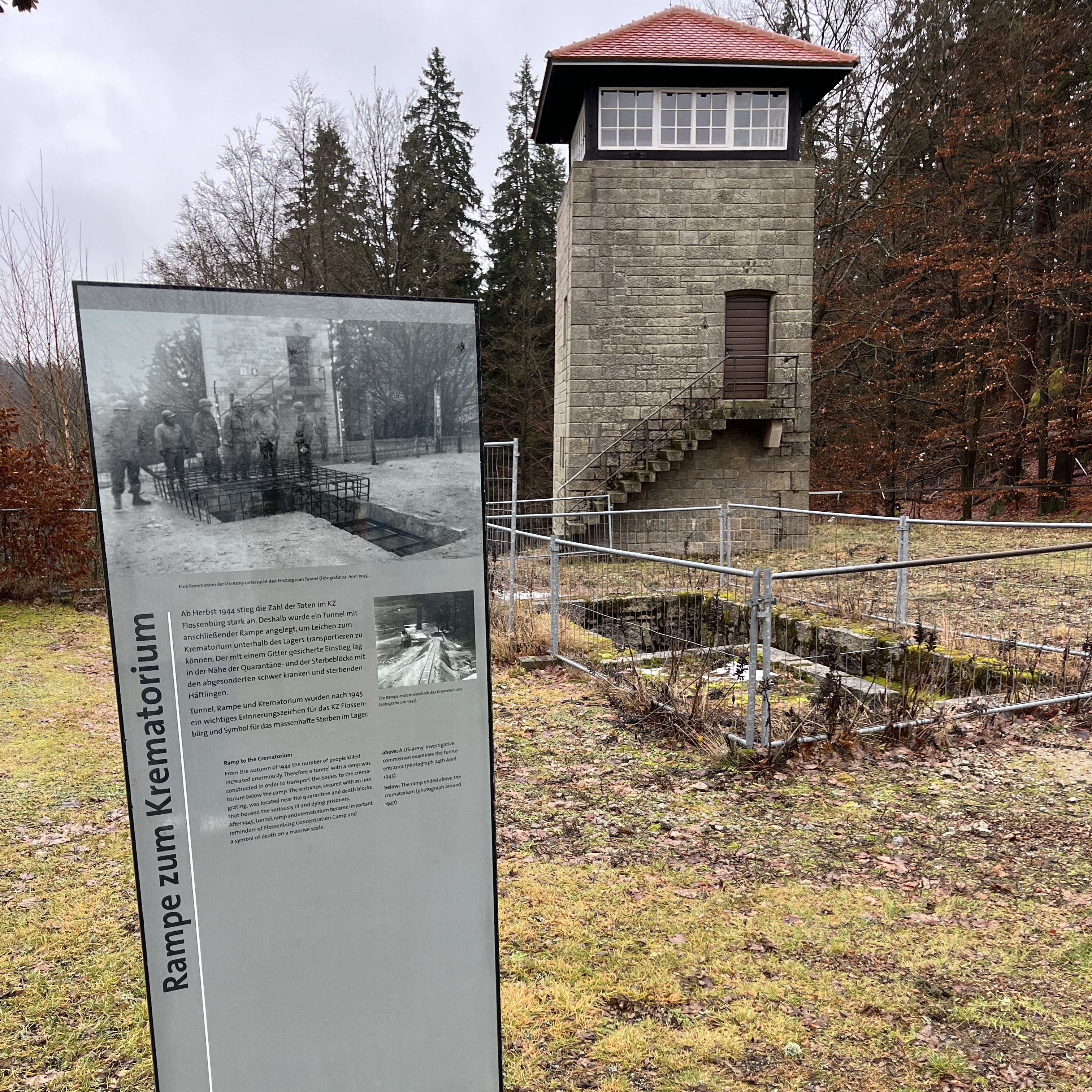
So many people were dying that the SS built a ramp to easier transport bodies to the crematorium below the hill.
Trying to Imagine the Realities
When I was really sick with my eating disorder, I was very cold all the time. I never wanted to go outside because no matter what I wore, the cold was too deep. Specifically, I recall one show-choir trip. Everyone was hanging outside, and I could not imagine leaving the bath-tub I had filled with boiling hot-water. Even in that tub, I was shivering. This is the closest I can get to imagining the reality of a prisoner’s situation (and I realize it’s not even remotely close).
The day we went to Flossenbürg was cold and rainy, and It seemed fitting. I was all bundled in my new coat from Sylvia. I had a hat and mittens. I ate a good breakfast, and I had snacks in my backpack. When we got too cold, Siyu and I went into the heated museum. When the prisoners were here, there was no heat.They were malnourished, unclothed, sick, and exhausted.


Obviously, visiting the concentration camp was not a fun experience, but I am really thankful I got to go. It was/is important.
More Info
This is a link to historical photos of Flossenbürg, showing some of the brutality acted upon and the malnourishment of the prisoners. Some photos are graphic.
- Click Here
Books I Remember Reading
- Memoirs: Night, Four Perfect Pebbles, Diary of Anne Frank, The Twins of Auschwitz, Surviving Hitler, Forbidden Strawberries, A Bag of Marbles, A Friend Called Anne, etc
- Novels: The Book Thief, Number the Stars, The Boy in The Striped Pajamas, The Tattooist of Auschwitz, etc
Keeping Memories Alive: Stories of Camp Survivors.
- Click Here


 Creating Space
Leave a reply to Lori Boldt Cancel reply